Resources·Exhibitions
The ultimate exhibition booth preparation checklist
By ExpoLead OS | 9 min read | Published on Jul 2026
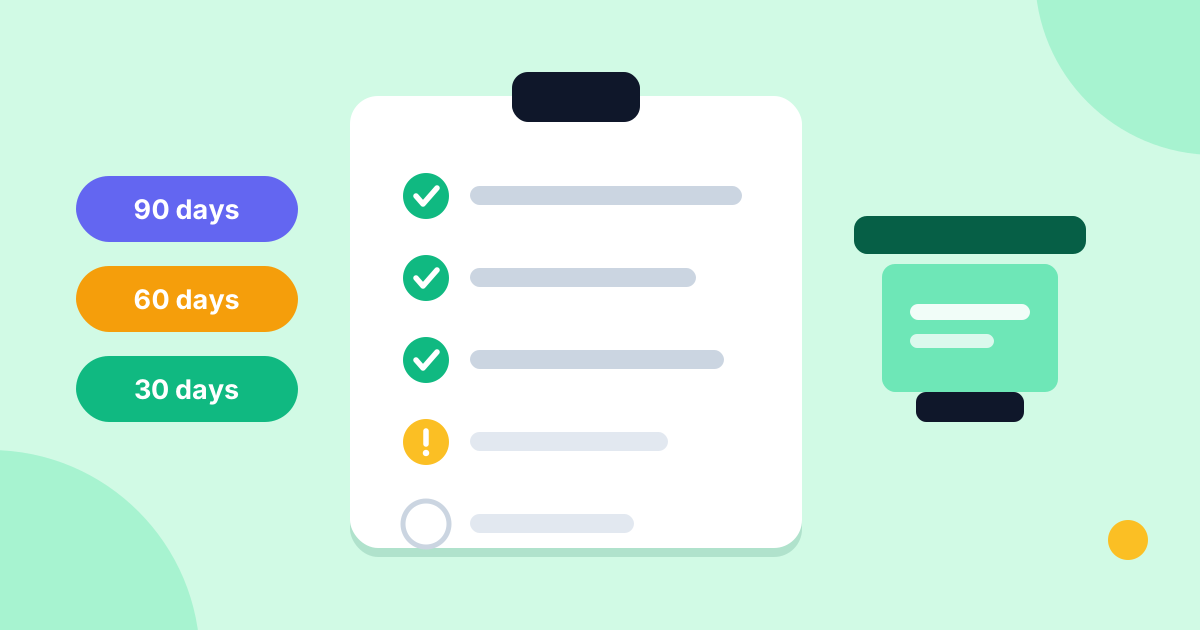
A successful exhibition doesn't begin when the doors open, it starts weeks or even months before the event.
Many companies invest thousands of dollars in exhibition space, booth design, travel, accommodation, and marketing. Yet despite this investment, many leave the event disappointed because they prepared for the booth but not for the business opportunities.
The most successful exhibitors understand that an exhibition is more than a marketing event. It's an opportunity to build relationships, generate qualified leads, strengthen existing partnerships, understand market trends, and ultimately drive revenue.
Proper preparation is what separates businesses that simply attend exhibitions from those that consistently achieve measurable results.
This guide walks through every stage of exhibition preparation, from three months before the event until the final day of the show.
Why preparation determines exhibition success
Many exhibitors focus most of their attention on booth design. While appearance certainly matters, a beautiful stand alone won't generate sales.
Preparation involves much more than graphics and banners. It includes setting clear objectives, training your team, identifying target buyers, scheduling meetings, preparing marketing materials, and establishing a process for capturing and following up on leads.
Without these elements, even a busy booth can result in very few real business opportunities.
The exhibition itself lasts only a few days. The planning behind it determines whether those few days become a worthwhile investment.
90 days before the exhibition
The most successful exhibitors begin preparing at least three months before the event. This is the time to define exactly what success looks like.
Ask yourself:
- Why are we attending this exhibition?
- Are we launching a product?
- Looking for distributors?
- Meeting existing customers?
- Finding new buyers?
- Building brand awareness?
- Researching competitors?
Clear objectives influence every decision that follows.
You should also establish measurable goals, such as:
- Number of meetings
- Qualified leads
- Product demonstrations
- Distributor enquiries
- Sales opportunities
- Revenue target
Without measurable goals, it's impossible to evaluate your return on investment after the event.
Research the visitor profile
Not every exhibition attracts the same audience. Study previous attendee statistics carefully.
Consider:
- Industries represented
- Company sizes
- Countries attending
- Job titles
- Decision-makers versus influencers
- Returning visitors
- Buyer demographics
Understanding your audience allows you to tailor your messaging and decide which products deserve the most attention.
Book meetings before the exhibition
One of the biggest mistakes exhibitors make is relying on walk-in traffic. Today's buyers often arrive with their schedules already full.
Weeks before the event, reach out to:
- Existing customers
- Warm prospects
- LinkedIn connections
- Industry contacts
- Distributors
- Suppliers
- Partners
Invite them to visit your booth at a specific time. Pre-booked meetings almost always produce higher-quality conversations than spontaneous booth visits.
60 days before the exhibition
Now it's time to prepare your marketing assets. Ensure you have:
- Updated brochures
- Business cards
- Product catalogues
- QR codes
- Digital presentations
- Product videos
- Price lists, if appropriate
- Samples
Everything should communicate a consistent message and clearly explain the value your business offers.
Train your exhibition team
Your booth staff are the face of your company. Everyone attending should understand:
- Your products
- Your ideal customer
- Common customer questions
- Competitor positioning
- Pricing strategy
- Lead qualification process
- Next steps after the exhibition
Role-playing customer conversations before the event builds confidence and creates consistency across the team.
30 days before the exhibition
At this stage, logistics become the priority. Confirm:
- Booth construction
- Furniture
- Lighting
- Internet access
- Power requirements
- Shipping arrangements
- Product samples
- Customs documentation
- Hotel reservations
- Travel schedules
Leaving logistics until the final week often creates unnecessary stress and additional costs.
Prepare your lead capture process
Many exhibitors still rely on handwritten notes or stacks of business cards. Unfortunately, valuable information is often forgotten once the exhibition ends.
Every conversation should capture information such as:
- Contact details
- Company
- Products of interest
- Buying timeline
- Budget
- Decision-making authority
- Pain points
- Next action
The more structured your process, the easier your follow-up becomes.
Build a lead qualification framework
Not every visitor deserves the same level of attention after the exhibition. Create a simple scoring system. For example:
Hot leads
- Immediate buying need
- Decision-maker
- Budget available
Warm leads
- Strong interest
- Future opportunity
- Needs nurturing
Cold leads
- Information gathering
- Students
- Media
- Suppliers
This allows your sales team to prioritise follow-up after the event.
One week before the exhibition
Perform a final review. Confirm:
- Travel documents
- Exhibition passes
- Hotel bookings
- Meeting schedule
- Product samples
- Marketing material
- Chargers and extension cords
- Laptop and tablets
- Phone chargers
- Business cards
- Company uniforms
- Stationery
- Emergency contacts
Small details often become major problems if overlooked.
During the exhibition
Preparation doesn't stop once the exhibition begins. Each morning:
- Review the day's meetings
- Assign responsibilities
- Check product displays
- Test presentation equipment
- Brief the team
At the end of each day:
- Review every lead collected
- Update notes while conversations are still fresh
- Identify urgent follow-ups
- Prepare for tomorrow's meetings
Daily reviews prevent valuable information from being lost.
Common booth preparation mistakes
Many exhibitors make avoidable mistakes that reduce their return on investment. Common examples include:
- Waiting for visitors instead of engaging them
- Focusing on quantity rather than quality
- Not qualifying leads
- Collecting business cards without recording context
- Failing to schedule meetings in advance
- Having inconsistent messaging across team members
- Delaying follow-up after the event
Avoiding these mistakes often delivers a greater improvement than increasing your exhibition budget.
Your exhibition preparation checklist
Before leaving for the exhibition, ensure you have completed the following:
Strategy
- Defined clear objectives
- Established measurable KPIs
- Identified target audience
Marketing
- Brochures
- Business cards
- Product catalogues
- QR codes
- Digital presentations
Booth
- Graphics installed
- Furniture confirmed
- Internet tested
- Lighting checked
Sales
- Meeting schedule prepared
- Lead qualification questions ready
- Sales team trained
- Lead capture system tested
Logistics
- Flights booked
- Hotels confirmed
- Product samples packed
- Shipping verified
Final thoughts
Exceptional exhibitions rarely happen by chance.
Behind every productive booth is a carefully planned strategy, a well-prepared team, and a structured process that begins long before the exhibition opens.
While attractive booth designs can capture attention, it's preparation that converts conversations into meaningful business opportunities.
The businesses that consistently achieve the best exhibition results don't simply work harder during the event, they prepare smarter before it.
And once those valuable conversations begin, having a reliable system to capture, organise, qualify, and follow up on every lead becomes just as important as the booth itself. That's where solutions like ExpoLead help exhibitors ensure that no opportunity is lost after the event.
Stop losing leads after the show ends
ExpoLead OS captures every connection and reminds you when to follow up.
Start free trial