Resources·Follow-up
7 ways to follow up after a trade show (without being annoying)
By ExpoLead OS | 8 min read | Published on Jul 2026
You shook two hundred hands over three days. Two weeks later, half of those people have forgotten your name. The exhibitors who turn a show into revenue are rarely the ones with the biggest booth. They are the ones who follow up before the memory fades, in a way that feels helpful rather than pushy. Here is how to do that.
1. Log the lead before you leave the booth
A business card in your pocket is a lead you will never call. The moment a conversation ends, capture three things while they are still fresh: who the person is, what company they represent, and what they actually wanted. A card gives you the first two. Only your memory gives you the third, and it fades fast.
Write down the product they asked about, the quantity they hinted at, and one personal detail from the conversation. That detail is what makes your follow-up feel human instead of automated.
2. Send the first message within 72 hours
The window closes quickly. After a big show a buyer meets dozens of suppliers, and by the following week they are back to their day job and everyone blurs together. A short, specific message inside three days lands while they still remember your stand. Wait two weeks and you are a stranger again.
3. Reference the actual conversation
Never send a generic thank-you-for-visiting blast. Open with the thing you talked about. If they asked about a particular grade of tea, a minimum order, or a delivery timeline, name it in the first line. This one habit separates the suppliers who get replies from the ones who get ignored.
4. Lead with something useful, not a pitch
Your first follow-up is not the place to close a deal. It is the place to be useful. Send the spec sheet they wanted, a sample quote, a photo of the product line, or an answer to the question they raised at the booth. Give them a reason to reply that is about their need, not your target.
5. Make the next step obvious
Every message should end with one clear, small ask. Not "let me know if you are interested", which invites silence, but something concrete: a sample shipment, a short call next week, or a price for a specific quantity. One decision, easy to say yes to.
6. Space out your follow-ups on a schedule
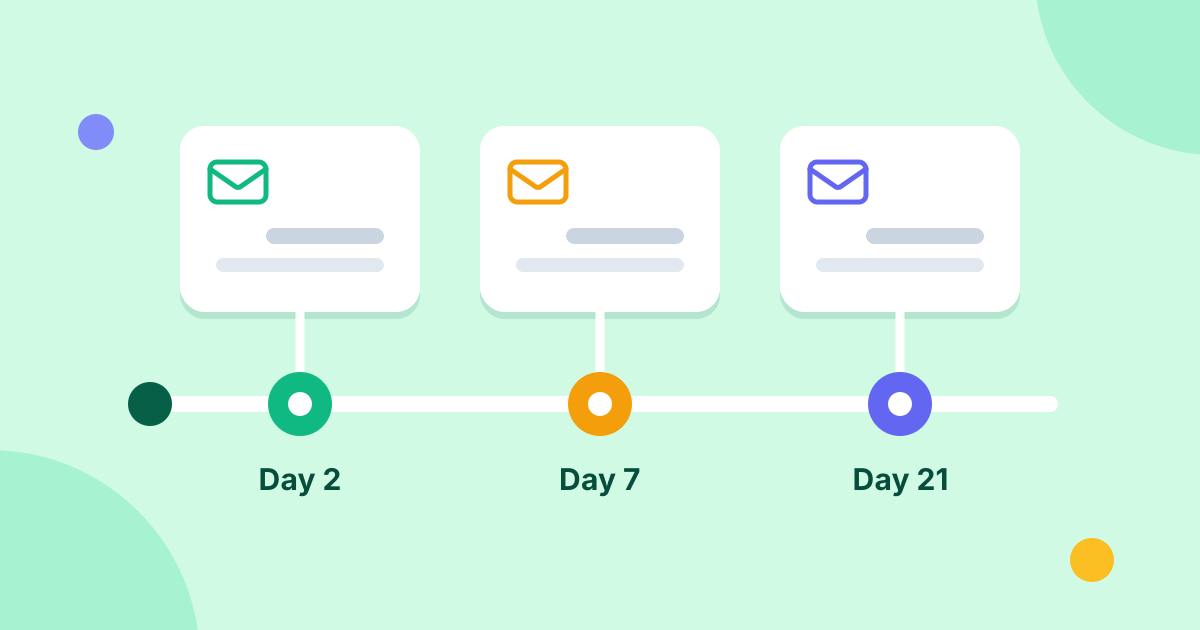
Persistence works. Pestering does not. A workable rhythm looks like this:
- Day 2: the first specific message referencing your conversation.
- Day 7: a helpful nudge, a sample or a spec, if you have not heard back.
- Day 21: a light check-in tied to their timeline or their next season.
If you track when each follow-up is due, you never drop a lead and you never crowd one either. That timing is the whole game.
7. Keep the relationship warm until next year
Most exhibition relationships do not close on the first cycle. The buyer was scouting, the timing was wrong, the budget was next quarter. That does not mean the lead is dead. It means it is a lead for next year's show. Keep a note of what they deal in and when they buy, and reconnect before the next edition. The supplier who remembers a buyer twelve months later almost always wins the order.
The point behind all seven
Following up well is not about being clever. It is about being organised. Capture the lead properly, reach out while it is warm, be specific, be useful, and keep track of the timing. Do that consistently and you will convert far more of your booth conversations than exhibitors who spend ten times more on the stand.
Stop losing leads after the show ends
ExpoLead OS captures every connection and reminds you when to follow up.
Start free trial